
What are you looking for?

Destination Overview

Luzon, the Philippines’ largest island, is home to the country’s principal international gateways and offers a captivating introduction to the nation’s diverse landscapes and culture. From the historic energy of Manila and the beaches of Subic Bay to the spectacular Banaue Rice Terraces, Luzon combines heritage, nature and adventure. In the north, the Cordillera Central is home to the Rice Terraces of the Philippine Cordilleras, a UNESCO World Heritage Site and one of the country’s most remarkable cultural landscapes.

Luzon is well connected internationally through Ninoy Aquino International Airport in Manila and Clark International Airport, providing convenient access to northern and central destinations. Within the island, travellers can explore mountain villages, volcanic landscapes, coastal communities and vibrant cities, with well-developed road networks making multi-destination journeys accessible.

The island experiences a tropical climate, with a generally drier season from November to April and wetter conditions from May to October, when rainfall and typhoons are more likely. For exploring Luzon’s mountains, rice terraces and cultural attractions, the cooler, drier months from November to February offer particularly comfortable conditions.
What to see

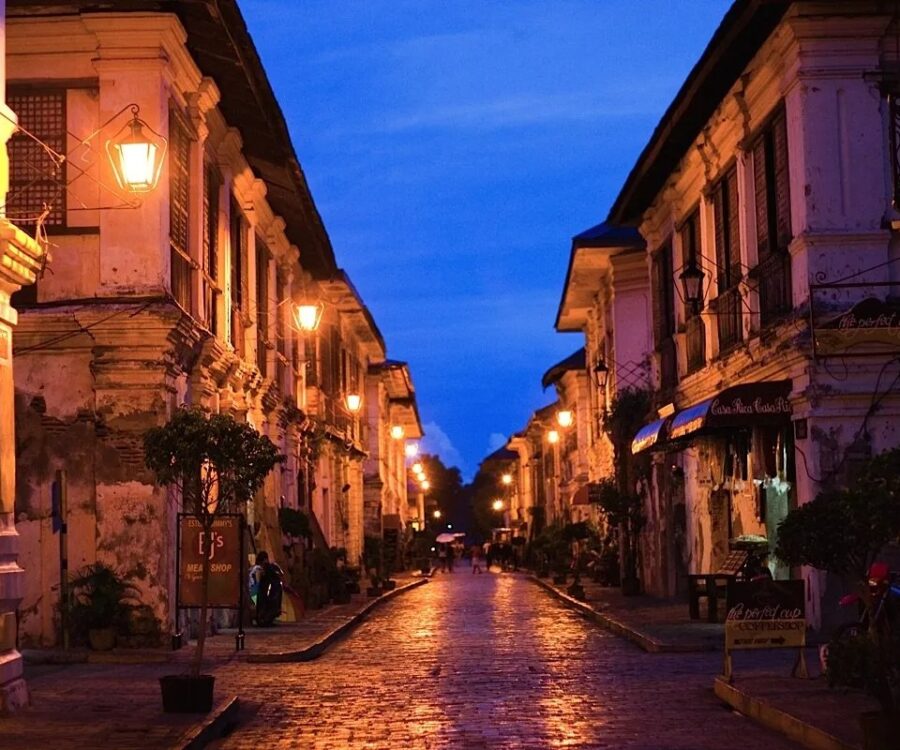
Vigan offers a captivating glimpse into the Philippines’ Spanish colonial heritage, with cobblestone streets, ancestral houses and historic landmarks creating one of Asia’s best-preserved colonial townscapes. A UNESCO World Heritage Site, the city is best explored on foot or by traditional calesa, with highlights including Calle Crisologo and St. Paul Cathedral. Its distinctive architecture blends Filipino, Chinese and European influences, reflecting Vigan’s rich cultural heritage.

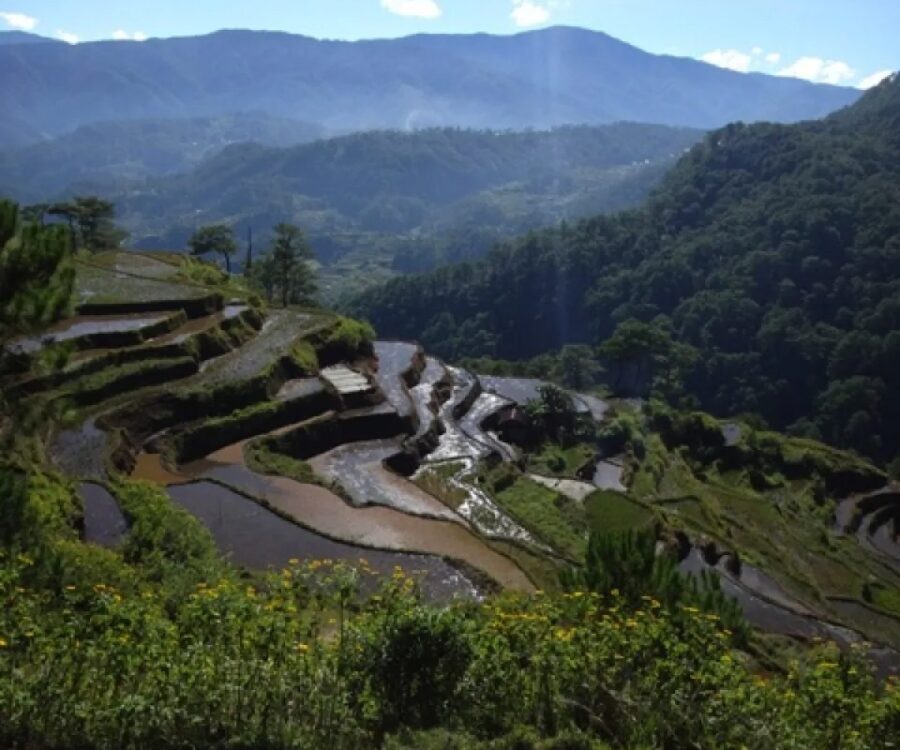
Further north, Banaue is renowned for the spectacular Rice Terraces of the Philippine Cordilleras, a UNESCO World Heritage Site shaped by generations of Ifugao communities. Travellers can explore the terraces on foot or take in sweeping mountain views from scenic viewpoints, offering an immersive experience of northern Luzon’s landscapes, traditions and living heritage.

What to do

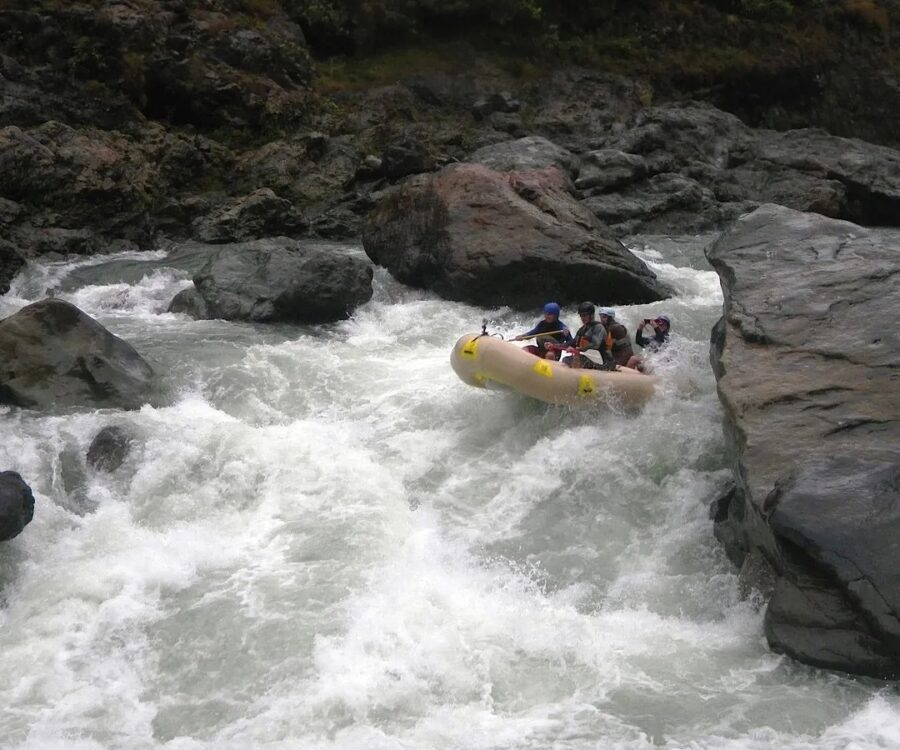
North Luzon is a rewarding destination for adventure and cultural exploration, with dramatic mountains, ancient rice terraces and vibrant heritage. Multi-day treks around Banaue and Bontoc lead through spectacular landscapes and traditional Ifugao communities, while whitewater rafting on the Chico River offers an exhilarating way to experience the region’s rugged scenery.

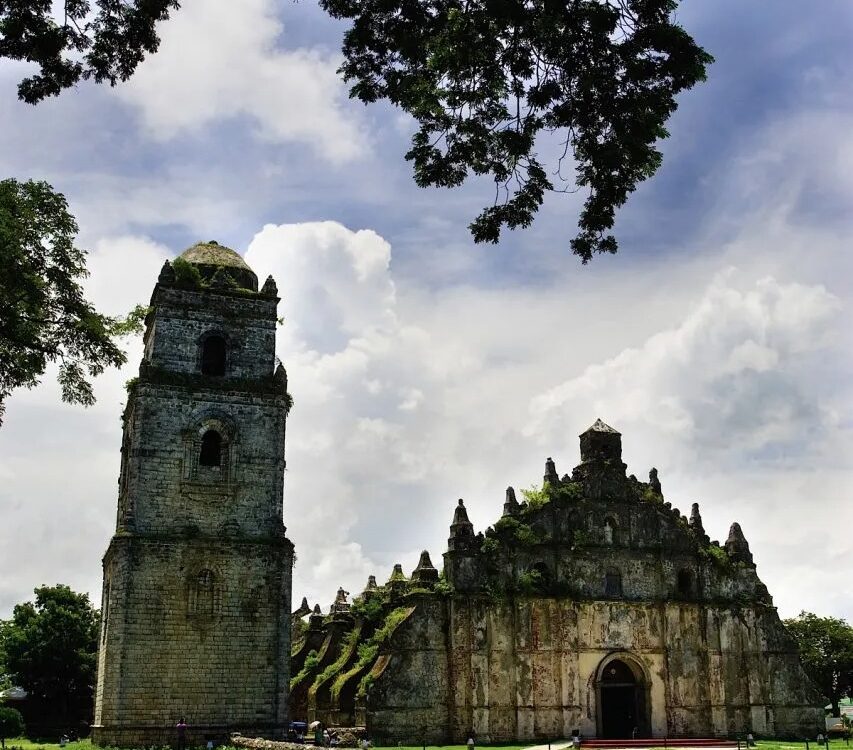
Beyond the mountains, Vigan and Paoay Church, both UNESCO-recognised heritage sites, showcase northern Luzon’s rich history and architecture. Along the coast, Pagudpud combines pristine beaches, lagoons and offshore islands, while the remote Batanes Islands offer a distinctive landscape, traditional culture and a slower pace of life—making them an exceptional addition to a North Luzon journey.

North Luzon-image-9

Local culture

Luzon’s rich cultural landscape reflects the island’s diverse ethnic communities, languages and traditions. Tagalog is widely spoken, alongside Ilocano, Pangasinan and other regional languages, while English is commonly used throughout the island. In the Cordilleras, communities such as the Ifugao continue to preserve distinctive traditions, craftsmanship and cultural practices closely connected to the region’s famous rice terraces.

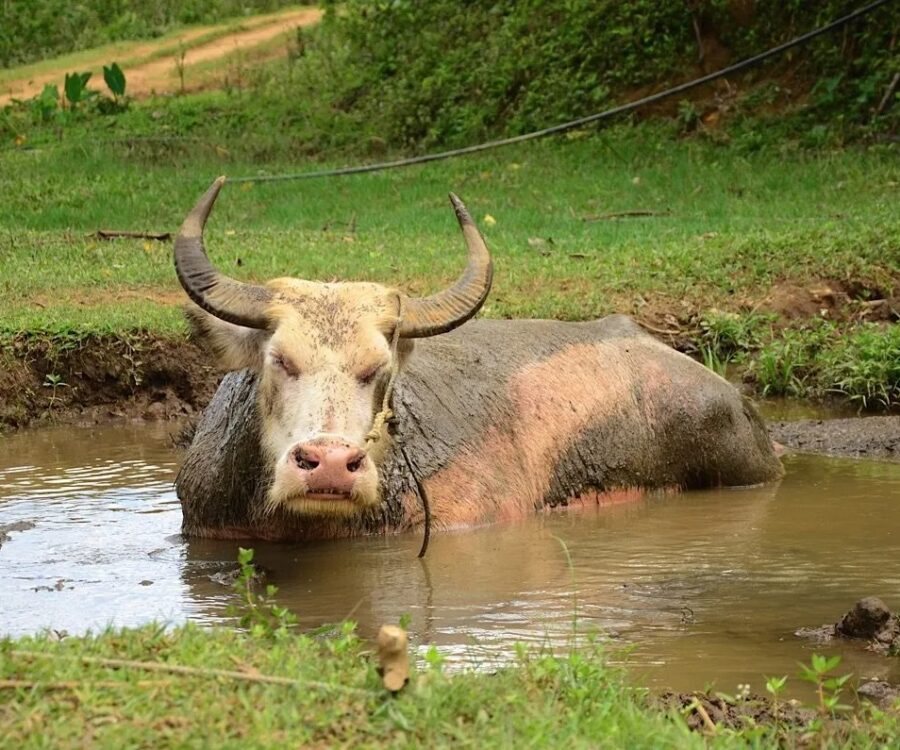
Christianity has shaped much of Luzon’s heritage, with historic churches and vibrant religious celebrations found across the island. Major events include the Feast of the Black Nazarene in Manila each January and the Carabao Festival in May, while numerous local festivals showcase indigenous traditions, music, dance and agricultural heritage.

In the Cordilleras, travellers can experience living traditions through visits to mountain communities and cultural landscapes. Around Banaue, the Ifugao are renowned for their ancestral rice terraces, traditional weaving and woodcarving, offering a meaningful insight into one of northern Luzon’s enduring cultural legacies.

Baguio
Banaue
Bontoc
Kalinga
Sagada
Vigan

Baguio, known as the Summer Capital of the Philippines, sits high in the Cordillera mountains and offers a refreshing escape from the lowlands. Surrounded by pine forests, gardens and mountain scenery, the city blends cool highland air with a lively local culture. Visitors can explore Burnham Park, browse the bustling Baguio Market for local produce and handicrafts, and discover the city’s cafés, restaurants and creative heritage.

Beyond the city, Baguio is an excellent gateway to the Cordillera region, with scenic routes leading towards Bontoc and Sagada. The surrounding highlands are known for their distinctive landscapes, traditional communities and agricultural heritage, including the strawberry farms of nearby La Trinidad. The city also offers opportunities to connect with local culture through markets, food and immersive experiences.

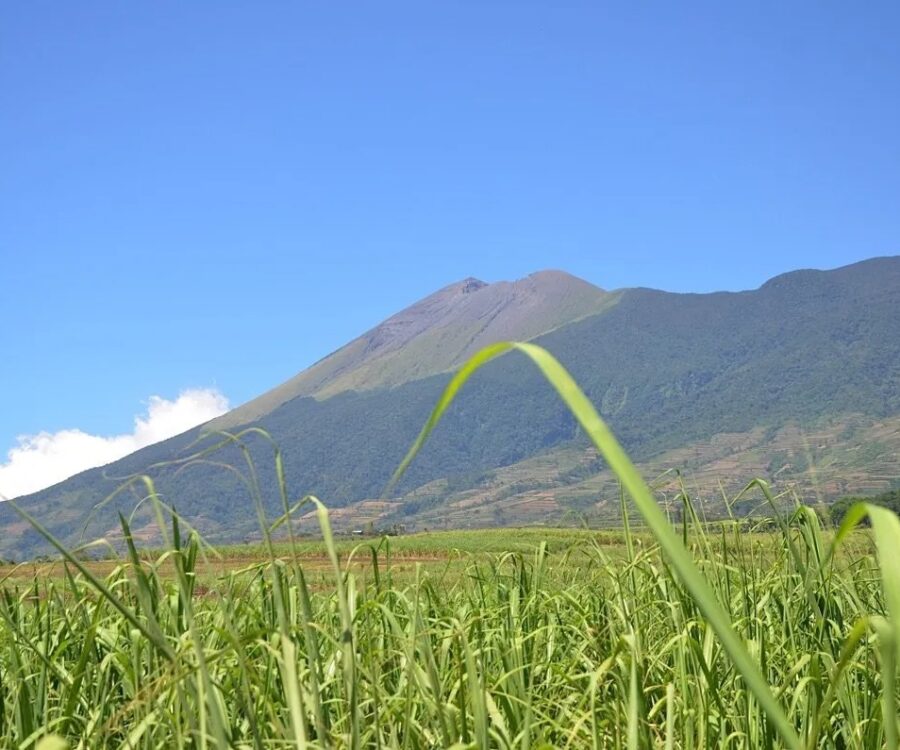
For adventurous travellers, Mount Pulag is a standout experience. As Luzon’s highest peak, its summit offers spectacular sunrise views, often above a sea of clouds, while the trail passes through mossy forests and high-altitude grasslands. Baguio provides an ideal starting point for exploring the dramatic landscapes and rich cultural heritage of the Philippine Cordilleras.

North Luzon-image-12
North Luzon-image-10

Banaue, nestled in the Cordillera mountains of northern Luzon, is renowned for the spectacular Rice Terraces of the Philippine Cordilleras, a UNESCO World Heritage Site since 1995. Often described as a living cultural landscape, these ancient terraces reflect generations of Ifugao knowledge, craftsmanship and connection with the land.

The UNESCO inscription covers five major terrace clusters: Batad and Bangaan near Banaue, along with Mayoyao, Hungduan and Nagacadan. While the terraces around Banaue town itself are not included in the UNESCO site, they remain an important part of the region’s cultural landscape. The terraces were carefully carved into steep mountain slopes and continue to be maintained by Ifugao communities.

Today, the terraces face ongoing pressures from changing lifestyles, environmental challenges and the decline of traditional farming practices. Visiting Banaue offers travellers an opportunity to experience this remarkable landscape while gaining a deeper appreciation of the Ifugao culture, traditional farming and living heritage that continue to shape the Cordilleras.

Bontoc, nestled in the Central Cordillera along the Chico River, is a gateway to the dramatic mountain landscapes of northern Luzon. Once reached via the scenic Halsema Highway from Baguio, the town offers an authentic introduction to the region’s rich Indigenous heritage and traditional way of life.

The surrounding Maligcong Rice Terraces are among Bontoc’s highlights, with distinctive stone walls that help protect the terraces from erosion. The area also provides opportunities to meet local communities, explore mountain trails and experience the enduring traditions of the Bontoc people, whose cultural heritage includes gong music, traditional dances and colourful festivals such as Lang-Ay.

For deeper cultural insight, the Bontoc Museum showcases an important collection of photographs, textiles and traditional artefacts from the Cordillera peoples. Together with its spectacular mountain scenery and living cultural traditions, Bontoc offers a meaningful experience beyond the Philippines’ better-known destinations.

North Luzon-image-7
North Luzon-image-8

Kalinga, nestled in the rugged Cordillera mountains of northern Luzon, is a destination of dramatic landscapes, lush forests and living Indigenous culture. Less visited than Banaue and Bontoc, the province offers a more immersive experience, with spectacular rice terraces found in Balbalan, Lubuagan, Pasil, Pinukpuk, Tinglayan and Tanudan.

The Chico River winds through the province and remains central to the life and heritage of the Kalinga people. Known as the “river of life,” it flows through mountain communities and landscapes shaped by generations of traditional farming and Indigenous knowledge. Visitors can explore scenic trails, villages and terraces while discovering the region’s strong connection to its ancestral lands.

Kalinga’s cultural identity is equally compelling. The Kalinga people are renowned for their resilience, craftsmanship and distinctive traditions, including traditional tattooing, weaving, music and community rituals. Today, these living traditions provide a meaningful way to experience the culture and heritage of the Cordilleras while exploring one of northern Luzon’s most captivating mountain regions.

Sagada, nestled in the Central Cordillera at around 1,500 metres above sea level, is a mountain community surrounded by dramatic limestone landscapes, forests and valleys. Its peaceful atmosphere and distinctive cultural heritage make it one of northern Luzon’s most compelling destinations.

Sagada is best known for its hanging coffins, an ancient burial tradition in which coffins are placed on or within limestone cliffs. The practice reflects the community’s traditional beliefs about bringing the deceased closer to the spiritual world. The area is also known for its caves, waterfalls and scenic mountain trails, offering plenty of opportunities for exploration.

Sagada is closely associated with Eduardo Masferré, whose documentary photography captured the people, traditions and landscapes of the Cordilleras during the 20th century. His work provides valuable insight into the region’s cultural heritage and continues to be displayed around Sagada, adding another layer to the destination’s distinctive character.

North Luzon-image-2
North Luzon-image-1

Vigan, the historic capital of Ilocos Sur in northern Luzon, is one of the Philippines’ best-preserved Spanish colonial towns. Its atmospheric cobblestone streets, ancestral houses and heritage buildings reveal centuries of cultural exchange between Filipino, Chinese and Spanish influences.

Established as a Spanish settlement in the 16th century, Vigan had already developed as an important trading centre before colonial rule. Its distinctive architecture and urban layout reflect its history as a meeting point between Asian trading traditions and European colonial design.

In 1999, Vigan was inscribed as a UNESCO World Heritage Site, recognised for its remarkably preserved historic townscape and unique fusion of Asian and European architecture. Today, exploring its heritage streets offers travellers an immersive glimpse into the Philippines’ multicultural past.