
What are you looking for?

Destination Overview

Negros Oriental combines rich agricultural heritage with dramatic landscapes, historic cities and exceptional marine life. As part of the central Visayas, the province is shaped by its sugar-growing past, while Dumaguete brings a lively blend of heritage, education and coastal charm. Its historic universities and relaxed atmosphere make it an appealing base for exploring the region.

Adventure takes centre stage beyond the city, with Mount Talinis offering forested trails, volcanic landscapes and hidden lakes, while waterfalls around Dumaguete and La Libertad provide rewarding nature experiences. The province also boasts beautiful beaches and scenic coastal areas, creating plenty of opportunities for hiking, swimming and exploration.

Off the coast, Apo Island is a standout destination for marine enthusiasts, renowned for its protected coral reefs and exceptional snorkelling and diving. Throughout the year, towns across Negros Oriental celebrate colourful religious and cultural festivals, giving travellers further opportunities to experience the province’s vibrant local traditions.

What to see

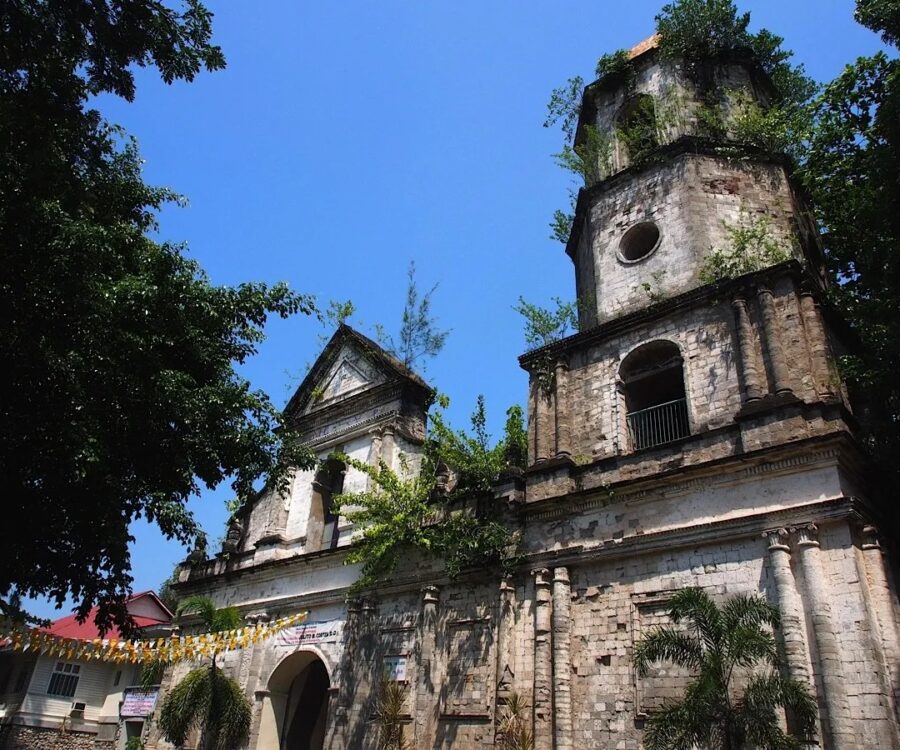
Dumaguete, the capital of Negros Oriental, blends heritage, education and a relaxed coastal atmosphere. Highlights include the historic Dumaguete Belfry and St. Augustine Church, while the surrounding countryside offers opportunities for hiking, cultural encounters and scenic exploration.

For a quieter experience, La Libertad provides a glimpse into rural Negros, with scenic landscapes suited to hiking and nature experiences. Further south, Bais City is known for its beautiful beaches, clear waters and snorkeling, while Basay and the southern coast offer secluded beaches, reefs and opportunities for diving and sailing.

Off the coast, Apo Island is one of Negros Oriental’s standout destinations, renowned for its protected coral reefs and rich marine biodiversity. Snorkeling and diving reveal vibrant corals and abundant marine life, complementing the region’s cultural heritage, volcanic landscapes and coastal adventures.

What to do

Negros Oriental offers an impressive mix of marine and outdoor adventures. Apo Island is a standout for diving and snorkeling, with protected waters supporting vibrant coral reefs and diverse marine life. Along the coast, boat trips and cycling provide relaxed ways to explore the region’s beaches, coves and countryside.

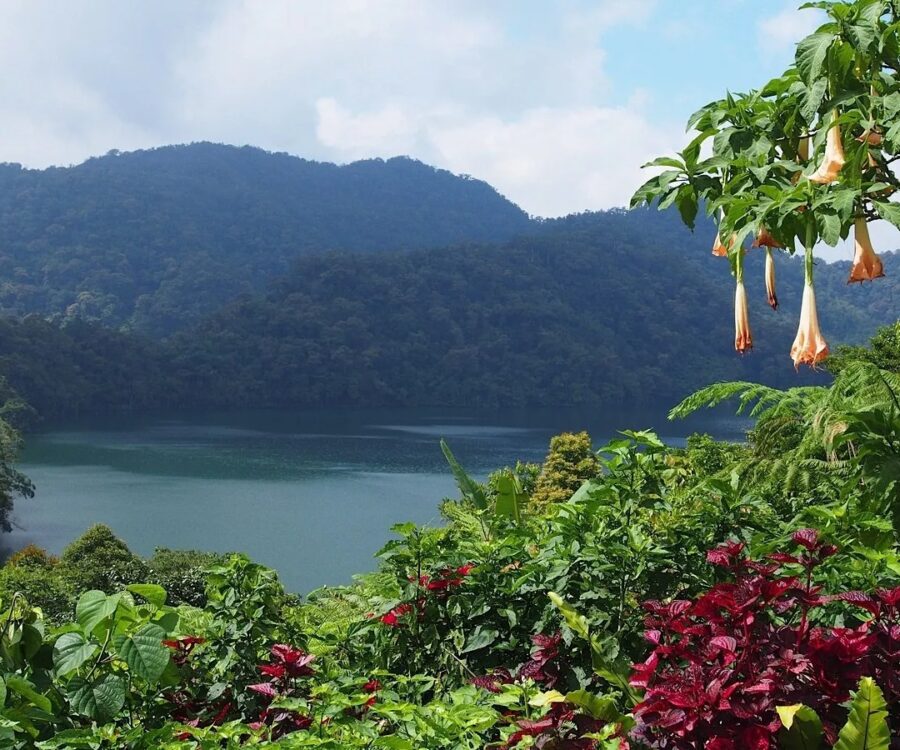
Inland, Negros Oriental rewards active travellers with waterfalls, volcanic lakes and forested landscapes. Casaroro Falls and Pulangbato Falls make rewarding day trips from Dumaguete, while more adventurous travellers can explore the trails around Mount Talinis and the scenic Twin Lakes of Balinsasayao and Danao. Further south, Lake Balanan offers a tranquil setting surrounded by lush scenery.

For a deeper adventure, the Mabinay Cave Complex reveals an underground world of limestone chambers, sinkholes and subterranean waterways. Together with diving, hiking, caving, boating and cycling, Negros Oriental offers a diverse range of experiences for travellers seeking nature, adventure and a slower-paced island escape.

Negros Oriental-image-6

Local culture

Sugar has shaped Negros’ history and identity since the 19th century, leaving a distinctive legacy of plantations, ancestral homes and heritage estates. In Dumaguete, this history meets a lively student and cultural scene, with Silliman University offering museums, exhibitions and historic architecture that provide insight into the region’s heritage.

Culture comes alive through Negros Oriental’s many festivals, where communities celebrate local traditions, faith and creativity. Buglasan Festival, held annually in Dumaguete, is the province’s major cultural celebration, bringing together colourful performances, food, crafts and festivities from across Negros Oriental.

For travellers seeking a deeper connection with the destination, exploring Dumaguete’s heritage and meeting local communities offers an authentic perspective on the island’s evolving identity. With its blend of sugar-era history, education, arts and vibrant festivals, Negros Oriental provides a rich cultural complement to its natural landscapes and coastal adventures.

Dumaguete
La Libertad

Dumaguete, the laid-back capital of Negros Oriental, combines a youthful university atmosphere with relaxed coastal charm. Known as a centre of higher education in the Visayas, the city offers welcoming cafés, restaurants and local experiences, while its central location makes it an ideal base for exploring nearby mountains, lakes, beaches and coral-rich islands.

Dumaguete’s heritage is best experienced around the city centre, where the historic Dumaguete Belfry stands as one of its oldest landmarks. Silliman University, founded in 1901, adds another layer of history, with its leafy campus, distinctive architecture and Anthropology Museum showcasing artefacts and traditions from across the Philippines.

With convenient air and ferry connections to Cebu, Bohol and Siquijor, Dumaguete is an easy addition to a Central Visayas itinerary. Beyond its heritage and relaxed city life, travellers can venture into the surrounding countryside for coastal adventures, island-hopping, diving and encounters with the region’s rich natural landscapes.

Negros Oriental-image-3
Negros Oriental-image-1

La Libertad, on the coast of Tañon Strait in Negros Oriental, offers a quieter side of the Philippines, with secluded beaches, lush countryside and scenic landscapes largely untouched by mass tourism. Its relaxed atmosphere makes it an appealing destination for travellers seeking nature and authentic rural experiences.

The town is known for its traditional pandan weaving, while the surrounding countryside offers opportunities for hiking and exploring natural attractions such as rivers and the remote Mambulotan Springs. La Limar Beach is another local favourite, providing a peaceful setting for swimming and family-friendly relaxation.

Easily reached by road from Dumaguete, La Libertad works well as a slower-paced addition to a Negros itinerary. Its combination of coastal scenery, traditional crafts and rural landscapes offers travellers an opportunity to experience a more understated side of Negros Oriental.