
What are you looking for?

Destination Overview

Cebu is a vibrant gateway to the Philippines’ central islands. Its capital, Cebu City, combines a relaxed atmosphere with excellent infrastructure, making it a convenient base for exploring the region. With Mactan-Cebu International Airport offering extensive connections across Asia, Cebu is easily accessible for travellers seeking both culture and adventure.

Cebu City offers a fascinating blend of history and modern life, from Magellan’s Cross and historic basilicas to heritage houses, local cuisine and panoramic hilltop views. Nearby Mactan Island adds beach resorts and opportunities for diving and water activities.

Beyond the city, Cebu’s coastline reveals a wealth of island and marine experiences. Bantayan Island offers beautiful beaches and a laid-back island atmosphere, while Malapascua is renowned for exceptional diving and thresher shark encounters. Further south, Moalboal attracts divers and snorkellers with its spectacular coral walls and famous sardine run.
What to see

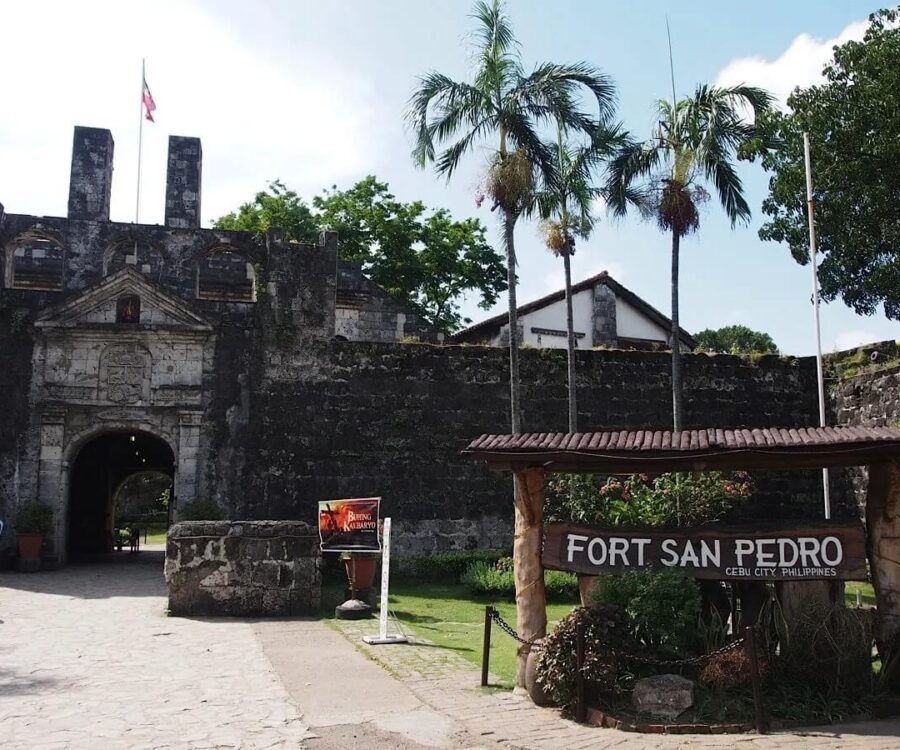
Cebu brings together centuries of history, tropical islands and outdoor adventure. In Cebu City, the Basilica Minore del Santo Niño houses the revered Santo Niño image, while nearby Magellan’s Cross and Fort San Pedro offer glimpses into the city’s Spanish colonial past.

Across the water on Mactan Island, the Lapu-Lapu Monument honours the local chieftain who resisted Spanish rule. Nearby, Olango Island Wildlife Sanctuary is an important wetland and a rewarding destination for birdwatchers, particularly during migratory seasons.

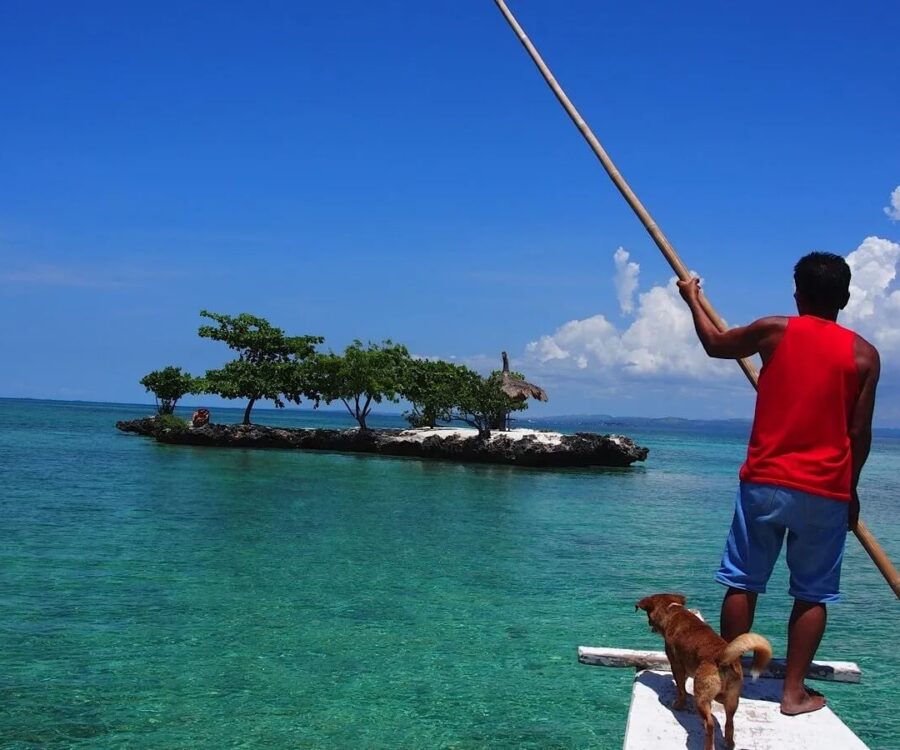
Beyond Cebu City, travellers can discover beautiful beaches and marine life across the province. Bantayan Island offers a relaxed island escape with excellent opportunities for swimming, snorkelling and diving, while Malapascua is renowned for its clear waters and world-class diving, including encounters with thresher sharks. The Camotes Islands offer quieter beaches, kayaking and fascinating coastal landscapes.

For mountain adventures, Osmeña Peak provides panoramic views from Cebu’s highest point, while Kawasan Falls offers a spectacular natural setting for trekking and freshwater adventures. Together, these experiences make Cebu an ideal destination for combining heritage, nature and adventure.

What to do

Cebu is a destination for active exploration, with exceptional diving, marine encounters and scenic mountain trails. Moalboal, on the southwest coast, is renowned for its dramatic coral walls and spectacular sardine run, offering one of the Philippines’ most memorable underwater experiences.

Nature lovers can explore Olango Island Wildlife Sanctuary, an important wetland habitat for migratory birds near Mactan Island. Further south, Oslob is known for whale shark encounters, while nearby Sumilon Island offers a beautiful setting for marine and island experiences.

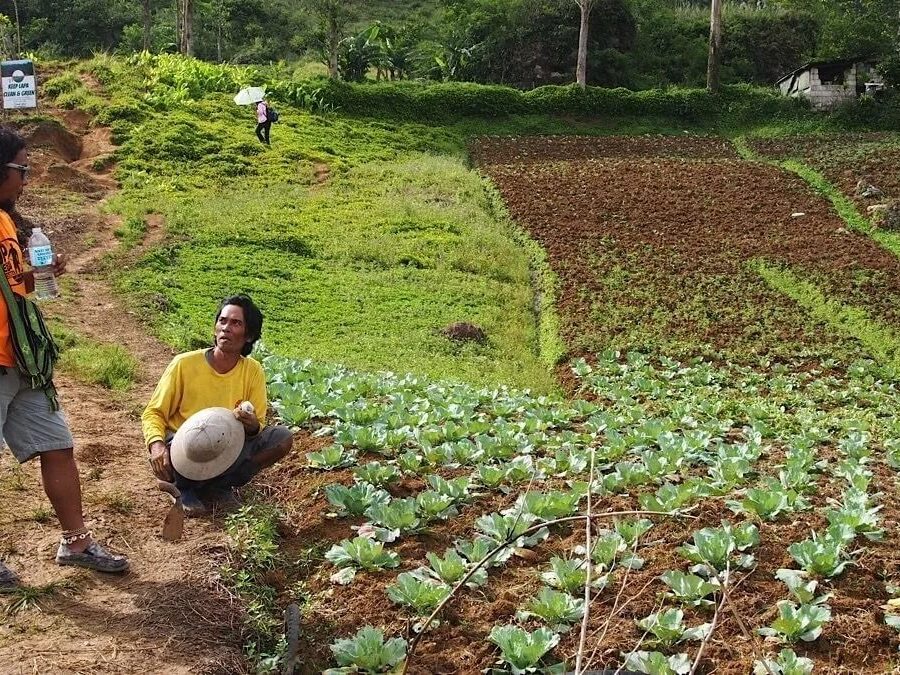
Inland, Cebu’s rugged landscapes invite travellers to hike through the hills and discover panoramic viewpoints. Osmeña Peak, the island’s highest point, offers spectacular views across the surrounding countryside. En route, Dalaguete, known as Cebu’s “Vegetable Basket”, provides an opportunity to discover local farming and rural life.

Cebu’s strategic location also makes it an excellent base for exploring nearby Bohol and Siquijor, adding even more island, cultural and nature experiences to a Visayas journey.

Cebu-image-8

Local culture

Cebu’s story is deeply rooted in the meeting of indigenous, Malay, Spanish and Christian traditions. Originally known as Sugbu, the island became a pivotal point in Philippine history when Ferdinand Magellan arrived in 1521 and was later defeated by the local chieftain Lapu-Lapu in the Battle of Mactan.

Today, Cebu’s heritage can be experienced through historic churches, landmarks and vibrant local traditions. Christianity remains an important part of the island’s cultural identity, reflected in its enduring religious celebrations and centuries-old sites.

The Sinulog Festival, held annually in Cebu City in January, is the island’s most celebrated cultural event. Colourful costumes, elaborate floats, traditional music and energetic street dancing honour the Santo Niño, creating one of the Philippines’ most spectacular festivals.

Cebu is also at the heart of the Cebuano-speaking community, whose language and traditions extend across much of the Visayas and parts of Mindanao. For travellers, exploring Cebu offers a deeper connection to a culture shaped by centuries of history, faith and island life.

South Cebu
Metro Cebu
North Cebu

South Cebu combines rich heritage, dramatic landscapes and memorable outdoor experiences, making it one of the Philippines’ most diverse destinations. Cebu City provides a convenient gateway, with historic landmarks including Magellan’s Cross, the Basilica Minore del Santo Niño and the heritage architecture of nearby Carcar. The city’s long-standing Catholic traditions and vibrant local culture add depth to every visit.

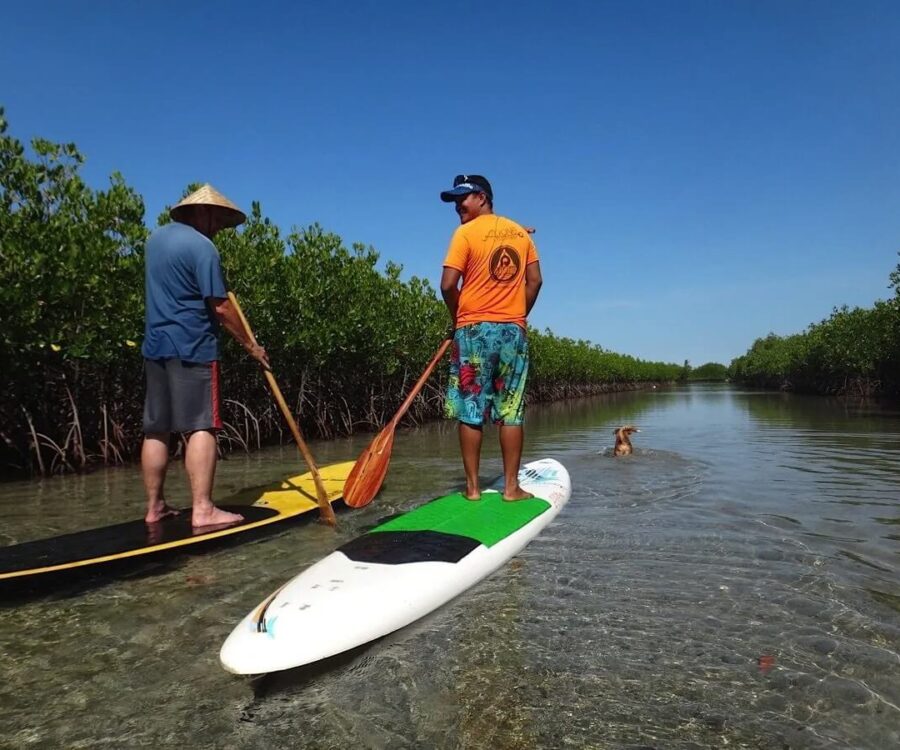
Beyond the city, South Cebu is a haven for nature and adventure. Travellers can explore spectacular marine environments through diving and snorkelling, hike through the island’s rugged interior to Osmeña Peak, or experience the tranquil beauty of Bojo River by boat. Dalaguete, known as the “Vegetable Basket of Cebu”, offers opportunities to discover sustainable farming and rural life, while Tumalog Falls adds another scenic stop to the region’s natural highlights.

Culture remains central to South Cebu, particularly during the annual Sinulog Festival in January, when Cebu City comes alive with music, dance, colourful costumes and celebrations honouring the Santo Niño. With its blend of history, community and nature, South Cebu offers travellers an enriching journey beyond the island’s famous beaches.

Cebu-image-1
Cebu-image-4

Metro Cebu, known as the “Queen City of the South”, is a dynamic gateway to the Visayas and the Philippines’ second-largest metropolitan area. Centred around Cebu City and extending to Mandaue and Lapu-Lapu, it combines modern comforts with centuries of history. Travellers can explore Basilica Minore del Santo Niño, Magellan’s Cross, Fort San Pedro, the Lapu-Lapu Monument and the city’s vibrant Chinese heritage at the Taoist Temple.

Cebu’s culinary and cultural scene adds another dimension to the city experience. Local specialities such as lechon and sutukil showcase Cebuano flavours, while lively dining, shopping and entertainment districts keep the city active after dark. For a change of pace, Olango Island Wildlife Sanctuary offers rewarding birdwatching and nature experiences among mangroves, wetlands and coastal habitats.

Culture takes centre stage during the Sinulog Festival in January, when Cebu City comes alive with colourful costumes, music, dancing and religious processions honouring the Santo Niño. With excellent air and sea connections, diverse cuisine, historic landmarks and easy access to surrounding islands, Metro Cebu is an engaging starting point for discovering the wider Visayas.

North Cebu offers a relaxed island escape with beautiful beaches, exceptional marine life and a strong sense of local culture. Bantayan Island is known for its white-sand beaches, turquoise waters and laid-back atmosphere, while historic landmarks such as Saints Peter and Paul Parish Church reveal the area’s Spanish-era heritage. Nearby Malapascua Island combines tropical scenery with world-class diving, while the Camotes Islands offer dramatic coastlines, caves and secluded beaches.

The waters around North Cebu are a highlight for adventure seekers. Malapascua is internationally renowned for thresher shark encounters, alongside vibrant coral reefs and diverse marine life. Around Bantayan and the Camotes Islands, travellers can enjoy island-hopping, snorkelling, swimming and kayaking, with quiet coves and small islands offering a chance to experience Cebu at a slower pace.

Cebuano culture remains an important part of life across the region, with English widely spoken in tourist areas. Festivals such as Palawod Festival in Bantayan celebrate the island’s fishing heritage through colourful parades, music and traditional performances. With its combination of pristine coastlines, underwater adventures and authentic island life, North Cebu offers an inspiring escape for travellers seeking both relaxation and discovery.

Cebu-image-5