

What are you looking for?

Destination Overview

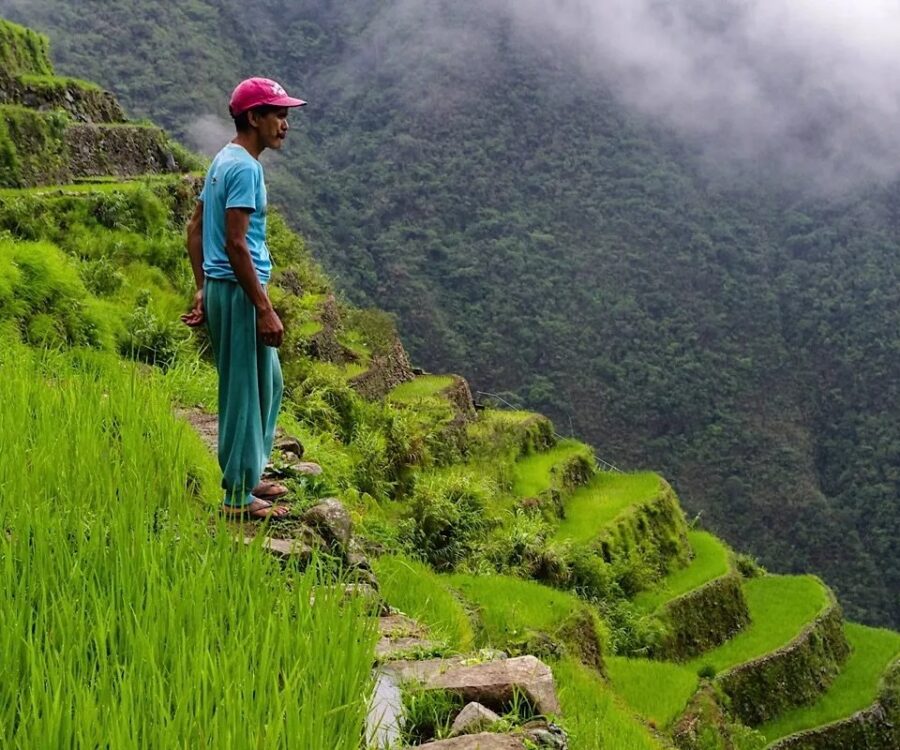
Central Luzon offers a diverse mix of urban energy, dramatic landscapes and outdoor adventure. As the gateway between Manila and Northern Luzon, the region combines vibrant cities with beaches, mountains, volcanic landscapes and picturesque lakes. Travellers can enjoy surfing, diving, hiking and birdwatching, or venture beyond the cities to discover quieter natural surroundings.

The region is easily accessible by road from Manila, while Clark International Airport provides convenient connections for exploring Central and Northern Luzon. Its strategic location also makes Central Luzon an excellent base for day trips and longer journeys across the island.

The drier months from November to April are generally favourable for exploring, while the wet season can bring heavy rainfall and typhoons. From coastal escapes to mountain adventures, Central Luzon offers a rewarding combination of nature, culture and accessibility.
What to see

Central Luzon offers a compelling mix of coastal escapes, volcanic landscapes and cultural heritage. Subic Bay provides a convenient base for beaches and outdoor activities, while inland Mount Arayat rises above the surrounding plains, offering rewarding hikes and panoramic views steeped in local folklore. Further north, Mount Pinatubo and its striking crater lake showcase the dramatic landscapes created by the volcano’s historic eruption.

Nature lovers can explore protected forests and wetlands across the region, including Aurora Memorial National Park, known for its rich biodiversity and opportunities for eco-tourism. The surrounding countryside also offers opportunities for hiking, wildlife spotting and discovering quieter communities away from the main tourist centres.

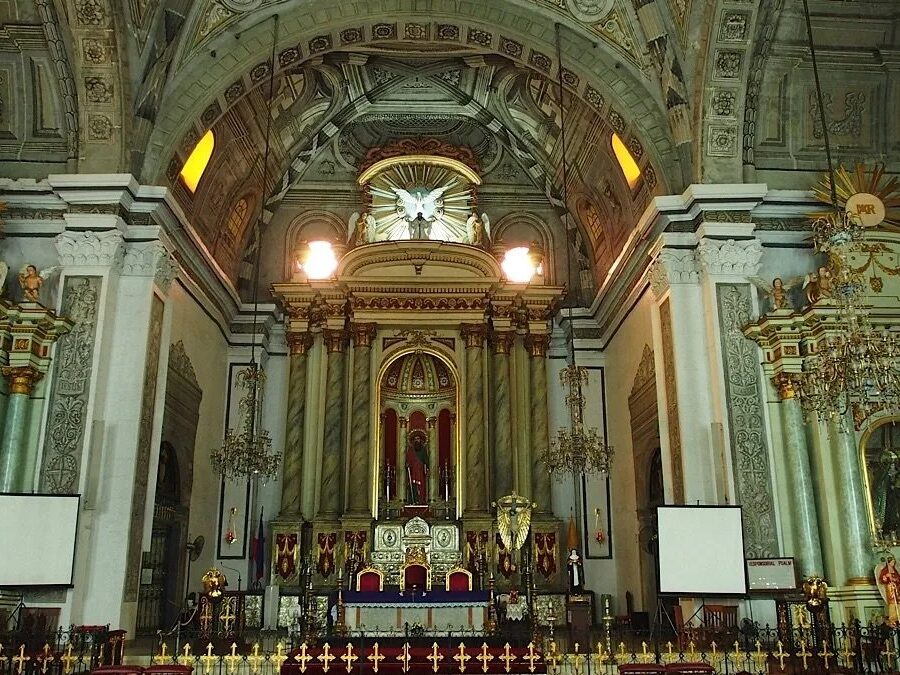
Central Luzon’s cultural heritage adds another layer to the journey, with historic churches, colonial-era architecture and heritage districts throughout the region. San Fernando and Angeles City offer notable landmarks, including the San Fernando Heritage District, Holy Rosary Church and other reminders of the region’s diverse history.

What to do

Central Luzon offers an impressive range of outdoor and cultural experiences, from mountain trekking and diving to surfing, island-hopping, birdwatching and farm-based eco-tours. The region’s varied landscapes make it an ideal destination for travellers looking to combine active adventures with authentic local encounters.

Subic Bay is a popular base for diving, with colourful reefs and numerous historic shipwrecks beneath its waters. Inland, Nueva Ecija showcases the agricultural heart of Central Luzon through farm tours and opportunities to discover local farming practices and rural landscapes.

For birdwatchers, Candaba Wetlands in Pampanga is an important stop for migratory birds, particularly between October and April. Travellers can also explore Central Luzon’s lively shopping and dining scene, adding a modern urban experience to the region’s nature and adventure highlights.

Central Luzon-image-4

Local culture

Tagalog and Kapampangan traditions, reflected in its vibrant festivals, local cuisine, music and community celebrations. Throughout the year, towns and provinces showcase their heritage through colourful events that bring local traditions to life.

In Nueva Ecija, the Tanduyong Festival celebrates the region’s agricultural heritage, particularly its onion, garlic and rice production, with colourful street performances and cultural displays. In Zambales, the Paynauen Duyan Festival highlights local creativity through traditional arts, crafts, food and community competitions.

One of the region’s most spectacular celebrations is San Fernando’s Giant Lantern Festival, held each December before Christmas. Elaborately illuminated lanterns compete in a dazzling display of craftsmanship and creativity, making it a memorable highlight of the Central Luzon cultural calendar.

Manila

Manila, the Philippines’ National Capital Region, is the country’s dynamic centre of business, culture, cuisine and transport. Beyond its energetic streets, travellers can explore centuries of history in Intramuros, home to Fort Santiago, Manila Cathedral and San Agustin Church, a UNESCO World Heritage Site. Nearby, Binondo, one of the world’s oldest Chinatowns, offers a vibrant mix of Chinese-Filipino heritage and cuisine, while Rizal Park provides a peaceful green space in the heart of the capital.

Manila’s diverse neighbourhoods showcase a thriving culinary and cultural scene, from traditional Filipino dishes and Chinese-Filipino specialities in Binondo to contemporary restaurants and cafés across Makati, Pasig and Quezon City. Local markets, historic districts and lively neighbourhoods offer plenty of opportunities to experience the capital beyond its landmarks.

Culture takes centre stage throughout the year, with Chinese New Year filling Binondo with colourful dragon and lion dances, while the Feast of the Black Nazarene draws thousands of devotees to Quiapo each January. With its layered history, multicultural character and ever-evolving city life, Manila offers an engaging introduction to the Philippines.

Central Luzon-image-8