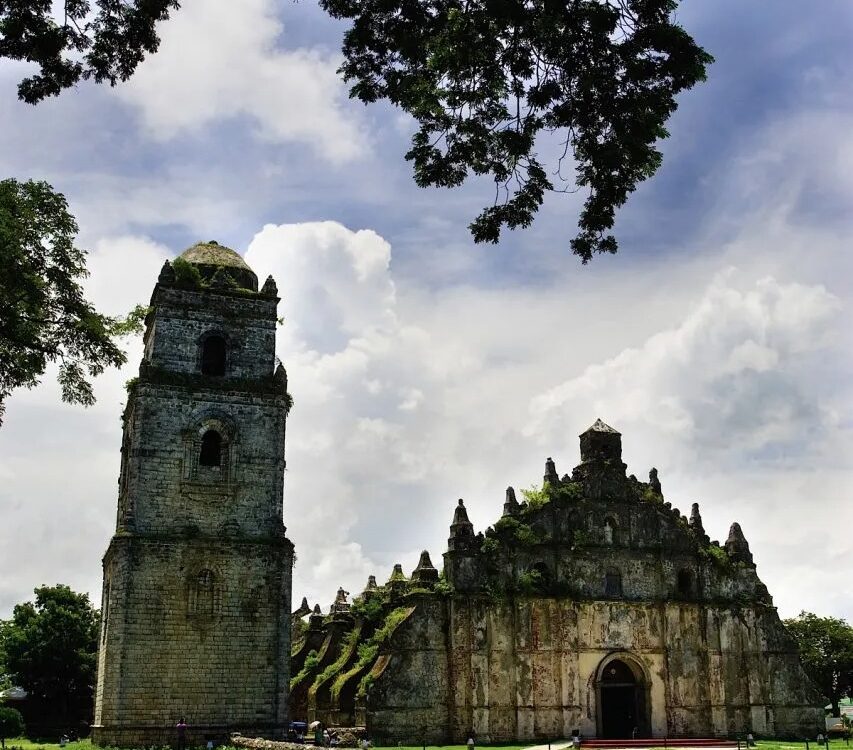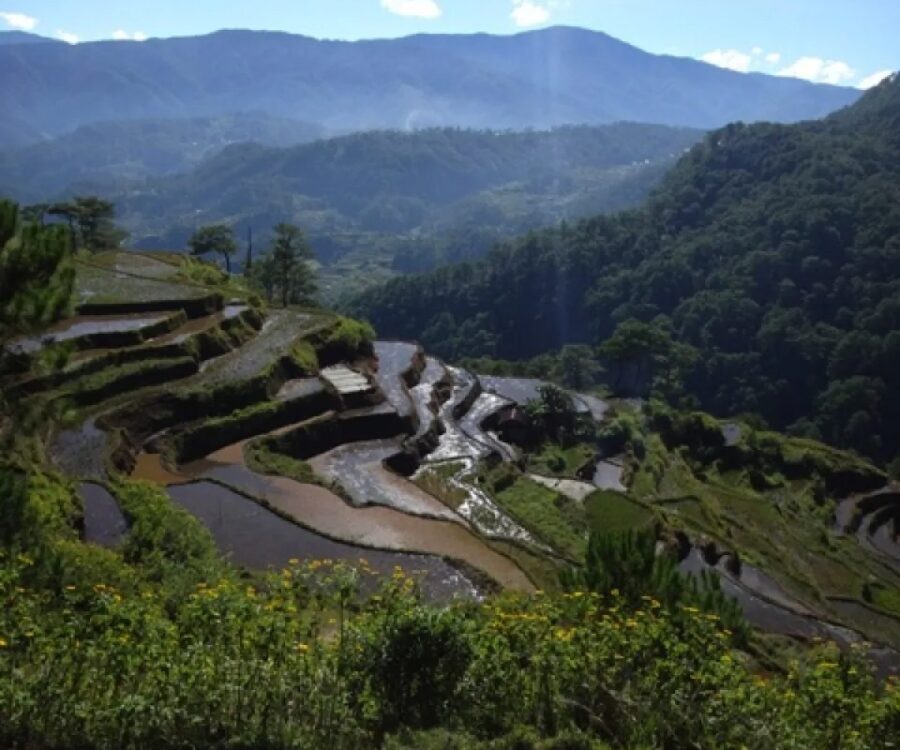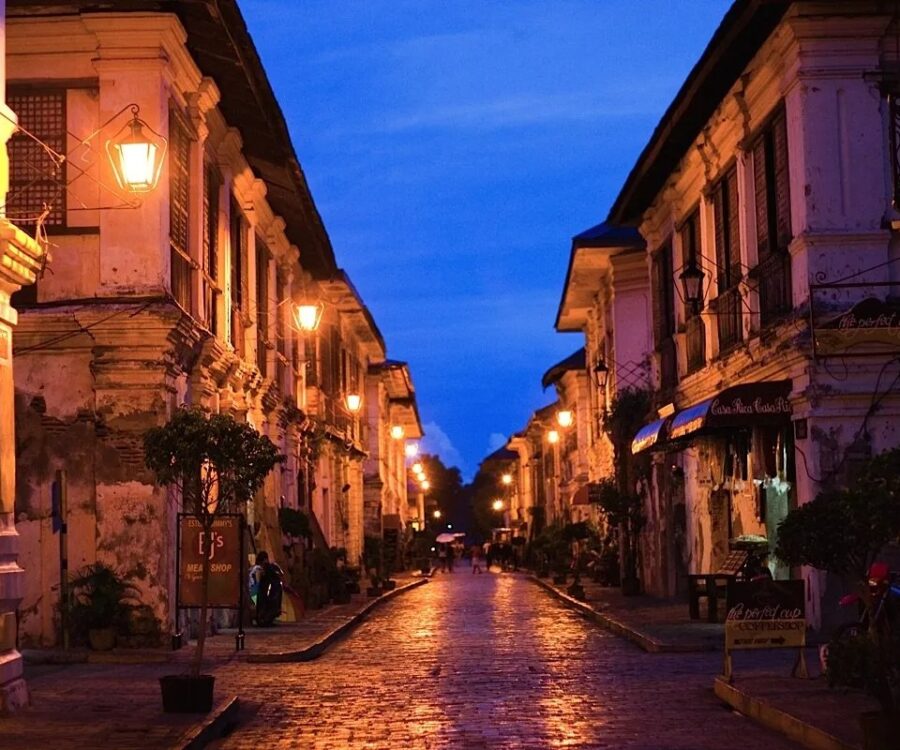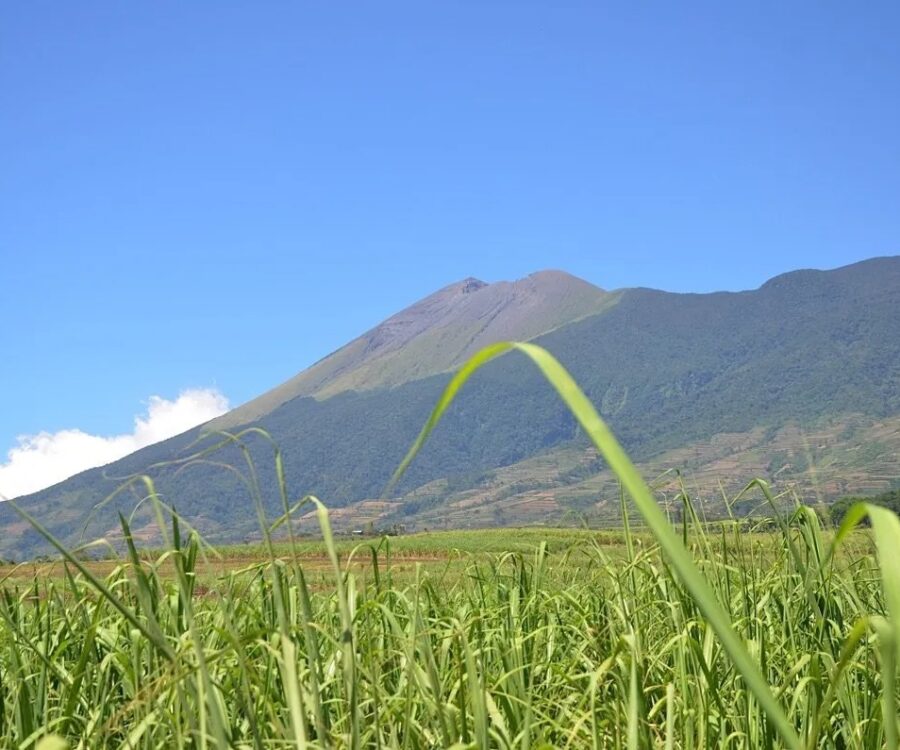

Luzon, the Philippines’ largest island, is home to the country’s principal international gateways and offers a captivating introduction to the nation’s diverse landscapes and culture. From the historic energy of Manila and the beaches of Subic Bay to the spectacular Banaue Rice Terraces, Luzon combines heritage, nature and adventure. In the north, the Cordillera Central is home to the Rice Terraces of the Philippine Cordilleras, a UNESCO World Heritage Site and one of the country’s most remarkable cultural landscapes.
Luzon is well connected internationally through Ninoy Aquino International Airport in Manila and Clark International Airport, providing convenient access to northern and central destinations. Within the island, travellers can explore mountain villages, volcanic landscapes, coastal communities and vibrant cities, with well-developed road networks making multi-destination journeys accessible.
The island experiences a tropical climate, with a generally drier season from November to April and wetter conditions from May to October, when rainfall and typhoons are more likely. For exploring Luzon’s mountains, rice terraces and cultural attractions, the cooler, drier months from November to February offer particularly comfortable conditions.