

Somewhere in Hanoi, away from the Old Quarter’s busy streets, is a room filled with thousands of small faces. Each one is dressed in the clothing of a different community, and each one has a story behind it.
You step inside and your eyes take a moment to adjust. Row after row of hand-made dolls look back at you. Each one is no taller than your hand and dressed in the costume of one of Vietnam’s 54 ethnic groups. Indigo-dyed Hmong skirts sit beside the red-tasselled headdresses of the Dao. Fine Thai blouses with silver buttons stand next to the bold, geometric patterns of the Lo Lo.


Mr. Nguyen Hoang Anh never planned to become a doll maker. It began with a journey north, months spent travelling through the mountain provinces, where he became captivated by the brocade textiles woven by local communities. He kept going back. He lived among the families who made them, listened to their stories, and studied how each group dressed for work, for festivals and for life’s milestones. Over the years, that research became his life’s work.
As you move along the shelves, he explains the details that most visitors would never notice. A particular stitch tells you which village a woman comes from. A colour is reserved for married women. An embroidered pattern carries a meaning passed down through generations. You start to see that each doll is far more than a souvenir. It’s a careful record of a culture, sculpted, painted and dressed by hand in miniature.

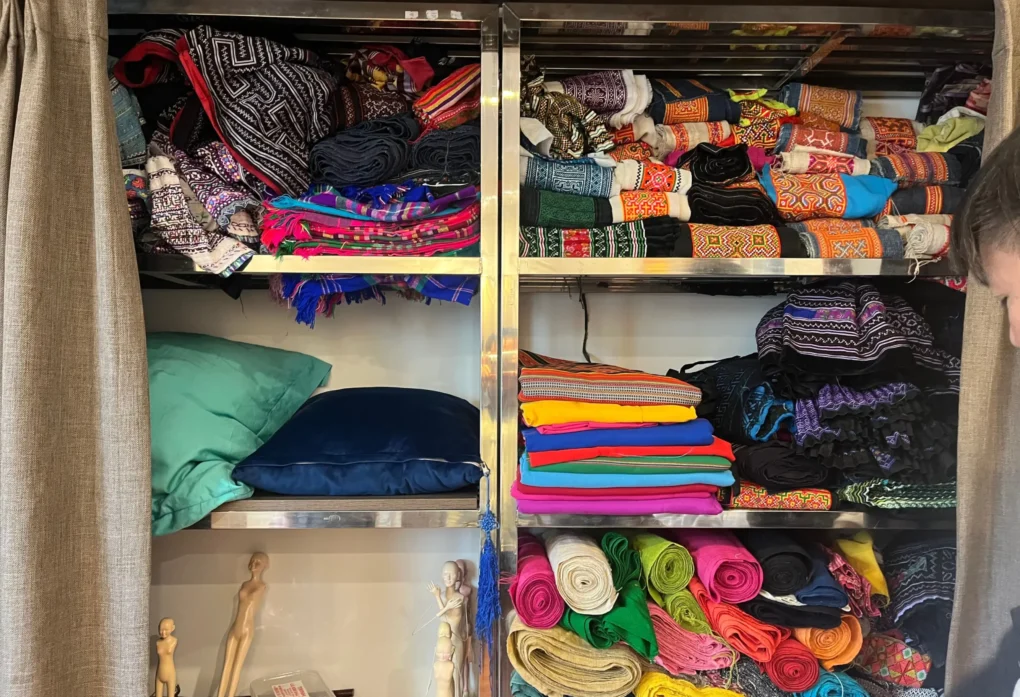
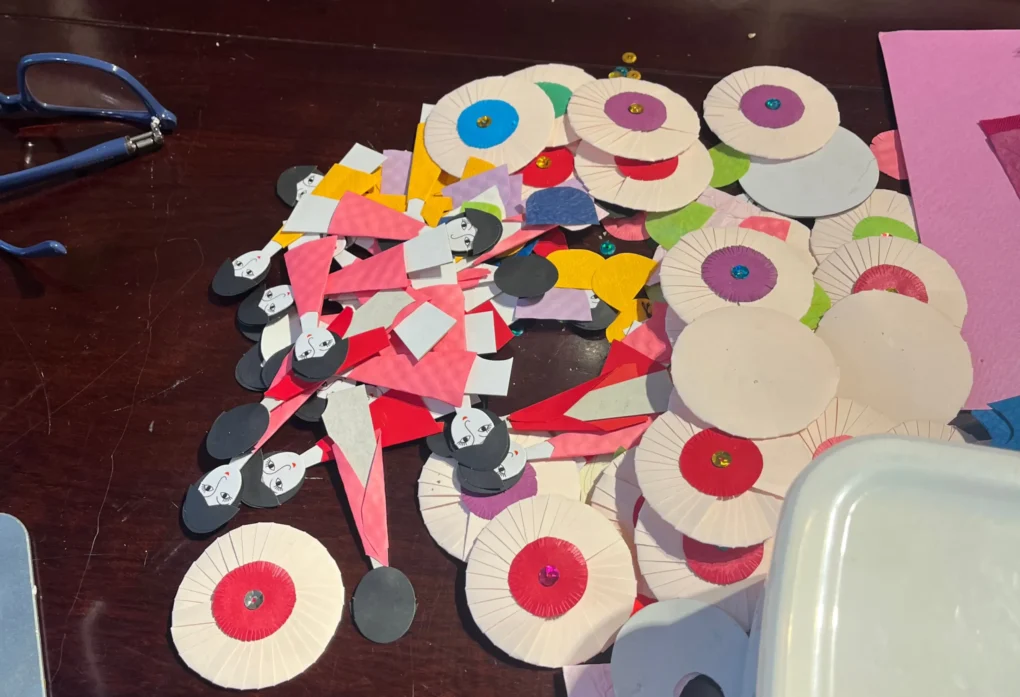
He shows you how the process works, from shaping and painting each face to cutting and sewing outfits so small they’re stitched almost thread by thread. It’s part art, part fashion and part storytelling, and his patience is clear in every piece.
By the time you leave, Vietnam’s mountain communities feel a little closer. You’ll recognise a Hmong pattern at Sapa’s markets, notice the difference between a Tay and a Thai blouse, and understand a little more of the stories carried in the cloth.
The experience is gentle, personal and fascinating at any age. It’s ideal for families, textile and craft lovers, and anyone travelling on to Sapa, Ha Giang or Mai Chau who wants to understand the people they’re about to meet.
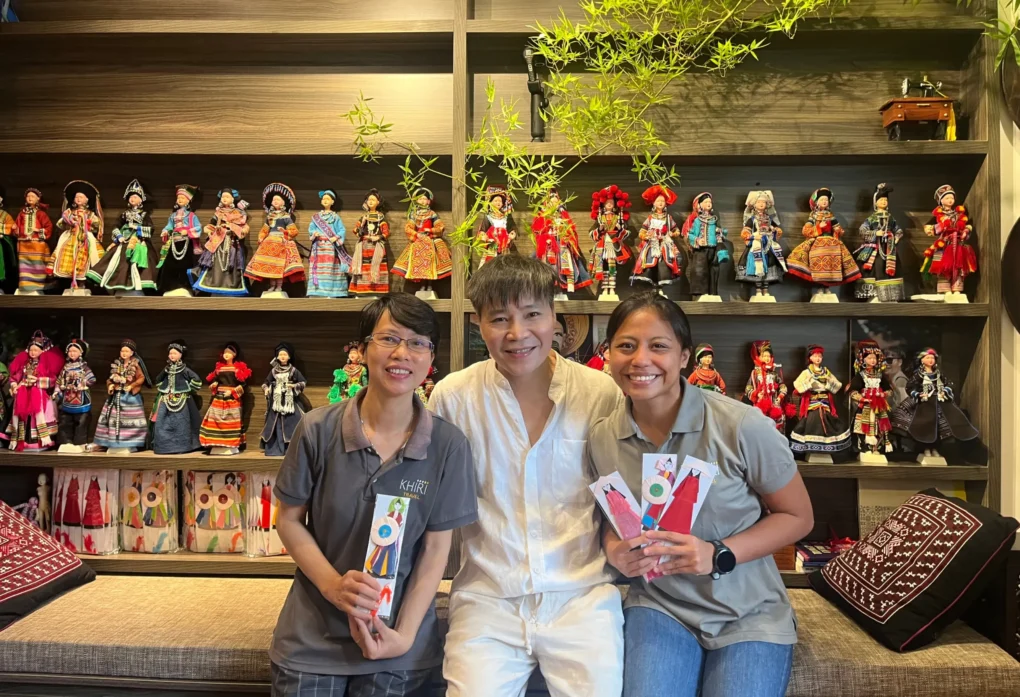
By the time you leave Mr. Hoang Anh’s studio, Vietnam’s mountain communities feel a little closer. It is the kind of encounter that changes the way you see a country. To arrange a visit, contact [email protected].